
Helen writes:
When we think about Christian hospitality, we probably have a familiar picture in mind: welcoming people into our homes, around our tables, into our churches and communities. Hospitality sounds like something we offer to others – because that is often what it is.
But what happens if we turn that around and ask: who is the host, and who is the guest?
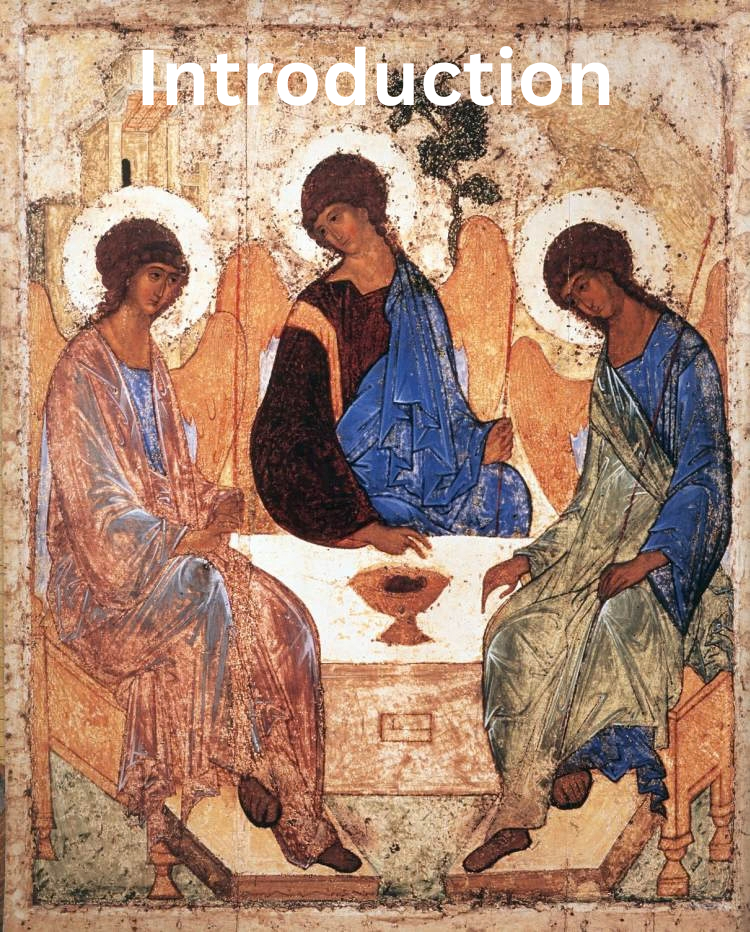
The Bible gives us some interesting examples. Abraham welcomes strangers and discovers that his guests bring God’s presence and promise. Jesus is often a guest at other people’s tables, even as he offers welcome to those who are excluded. And God’s people are repeatedly reminded that they themselves have been strangers and guests.
Perhaps, then, hospitality isn’t simply about those who have something to give welcoming those who need to receive. The guest may have something to offer the host, and the roles may be much more fluid than we assume.
These are all questions about power. The host decides who is welcomed, what happens in the house and often what the rules are. But when we say we welcome people, are we really prepared to let our guests change the way the house works?
I’d like us to explore what this means not only for our understanding of hospitality, but for God, the church, mission and ministry and for society.
Could it change the way Christians enter communities if they see themselves first as guests? What might disability theology teach us about who is giving and who is receiving? And what implications might guest–host theology have for how Christians think about refugees, poverty, politics and who belongs in society?
The conversation will flow around these themes for the next few months. If you would like to engage with us from the very beginning maybe a good place to begin is to ask yourself:
When you hear the phrase “the theology of hospitality”, and particularly the relationship between guest and host, what comes to mind? What do you think we need to explore? We’d love to hear from you.
Next week Craig will lay some cultural foundations and we’ll then begin our round table discussions.